Chicago residents face a surge in unwanted robocalls, with 80% automated, primarily from telemarketers, debt collectors, and fraudsters. In 2022, over 46 million robocall complaints nationwide were recorded by the FCC. To combat this, local authorities offer tools like call-blocking apps, National Do Not Call Registry registration, staying informed about scams, and engaging with specialized Unwanted call attorneys Chicago for advanced blocking and tracing. Unwanted call laws protect residents under Illinois' Telephone Consumer Protection Act (TCPA) and the Federal TCPA, empowering them to defend against excessive telemarketing and robocalls through legal action and technological solutions.
In recent years, the rise of robocalls has become a significant concern for Chicago residents, with unwanted calls from unknown sources inundating their phones. These automated messages, often used for marketing or fraudulent purposes, can be a nuisance and pose potential risks to personal information security. As the digital landscape evolves, understanding this growing trend is essential. This article aims to demystify robocalls, shedding light on how they operate and offering practical solutions to mitigate their impact. By equipping Chicago residents with knowledge, we empower them to protect themselves from these Unwanted call attorneys, ensuring a safer and more informed communication environment.
Understanding Robocalls: The Chicago Landscape

In recent years, Chicago residents have been experiencing an unprecedented surge in unwanted call attorneys—a phenomenon known as robocalls. These automated phone calls, often characterized by a recorded message, can be intrusive and misleading, leaving many residents questioning their origins and intent. Understanding the landscape of robocalls is crucial for navigating this modern communication challenge. According to the Federal Communications Commission (FCC), robocalls account for nearly 80% of all telephone calls in the United States, with Chicago being no exception. This surge has prompted heightened vigilance and increased awareness among residents seeking protection from these unwanted intrusions.
The sources of robocalls are diverse and often include telemarketers, debt collectors, and fraudsters. Unwanted call attorneys Chicago have become a hotbed for these activities, with sophisticated technologies enabling automated calls to reach massive audiences simultaneously. For instance, in 2022, the FCC reported over 46 million robocall complaints nationwide, reflecting a significant rise from previous years. In Chicago, local authorities and consumer protection agencies are working tirelessly to combat this issue by educating residents on how to identify and block these calls effectively.
To counter the impact of robocalls, Chicago residents have several tools at their disposal. Implementing call-blocking apps and registering with the National Do Not Call Registry is a good starting point. Additionally, staying informed about common scams and fraudulent schemes can help residents avoid falling victim to malicious robocalls. Engaging with reputable Unwanted call attorneys Chicago services that specialize in blocking and tracing these calls can also provide much-needed relief. By combining technological solutions with proactive measures, Chicago residents can reclaim their phone lines from unwanted intrusions and enjoy a more peaceful communication environment.
How Unwanted Call Laws Protect Residents

In recent years, Chicago residents have experienced a surge in unwanted call campaigns, leading to significant frustration and concern. This growing problem has prompted the need for robust legal protections to safeguard individuals from invasive phone communications. The Unwanted Call Laws, designed to curb excessive telemarketing and robocalls, offer a much-needed shield for citizens tired of these disturbing intrusions. These laws empower residents with rights and provide a legal framework for holding perpetrators accountable.
Chicago’s legal landscape offers several avenues for relief, with specific regulations targeting unwanted calls. The Illinois Consumer Fraud Act prohibits deceptive practices in telemarketing, while the Telephone Consumer Protection Act (TCPA) at the federal level restricts automatic telephone dialing systems from making unsolicited calls to mobile phones and landlines. Unwanted call attorneys Chicago play a pivotal role in educating residents on these laws and assisting those who have suffered harassment or financial loss due to illegal robocalls. By analyzing patterns, identifying violators, and navigating legal complexities, these experts ensure that individuals can exercise their rights effectively.
Practical steps include registering for the National Do Not Call Registry, a federal database that filters out legitimate telemarketing calls. Chicago residents should also be vigilant in screening incoming calls and blocking numbers associated with fraudulent activities. Reporting unwanted calls to relevant authorities is another powerful tool, providing data that aids law enforcement and regulatory bodies in their efforts to combat this growing issue. By combining legal awareness, community education, and active reporting, Chicago can create a more robust defense against the deluge of robocalls.
Common Types of Robocalls and Scams
Robocalls have become an increasingly prevalent nuisance for Chicago residents, with millions of unwanted calls flooding phone lines daily. Beyond mere irritants, these automated messages often carry malicious intent, taking the form of scams designed to steal personal information or money. Understanding common types of robocalls and the underlying scams is essential for citizens to protect themselves.
One of the most pervasive strategies involves financial scams, where callers pose as bank representatives or government agencies, urging recipients to disclose sensitive data, such as Social Security numbers or banking credentials, under false pretenses like account verification or prize winnings. For instance, a robocall might inform a resident they’ve won a tax refund but must first verify their details by calling back a specified number. Such calls often mimic legitimate organizations, making them harder to detect. According to the Federal Trade Commission (FTC), reports of tax-related scams have skyrocketed in recent years, underscoring the urgency for vigilance.
Another insidious trend is the rise of debt collection robocalls. These automated messages target individuals with outstanding debts, demanding immediate payment and threatening severe consequences if not complied with. Unscrupulous callers may even claim to be from legal or collection agencies, adding a layer of perceived authority to their deceptive practices. Here, the unwanted call attorneys Chicago residents should consider are those specializing in consumer rights, capable of navigating complex legal avenues to stop such harassment.
To combat these threats, Chicagoans should adopt robust precautions. This includes never providing personal information over the phone unless explicitly initiating the call and verifying the legitimacy of any unexpected communications. Moreover, blocking numbers associated with suspicious calls and enrolling in the National Do Not Call Registry can offer significant relief. Collaborating with Unwanted call attorneys Chicago who stay abreast of evolving scams can also provide a robust defense against these malicious practices.
Legal Recourse for Unwanted Calls in Chicago

In recent years, Chicago residents have experienced a surge in unwanted calls, primarily from automated systems or robocalls. This growing problem has prompted many to seek legal recourse. Illinois, including Chicago, has specific laws in place to protect consumers from these intrusive and often fraudulent calls. The Illinois Attorney General’s Office actively investigates and prosecutes violators of the Telephone Consumer Protection Act (TCPA), which regulates telemarketing practices and provides significant penalties for unauthorized automated calls.
Unwanted call attorneys Chicago play a pivotal role in navigating this complex legal landscape. They specialize in helping individuals and businesses defend their rights against robocallers. These attorneys can offer practical insights into when a call constitutes a violation, such as when prerecorded messages are left without explicit consent. For instance, if a resident receives multiple robocalls daily despite being on the Do Not Call Registry, an unwanted call attorney in Chicago can guide them through legal options, which may include seeking damages and blocking future calls. According to recent data from consumer protection agencies, over 90% of complaints about robocalls involve telemarketing or debt collection calls, highlighting the need for specialized legal assistance.
Taking proactive measures is crucial. Residents are encouraged to document unwanted calls, including timestamps and call content, as this evidence can be invaluable during legal proceedings. Furthermore, utilizing call-blocking apps and registering for Do Not Call lists are essential steps in reducing robocalls. By combining these actions with the expertise of unwanted call attorneys Chicago, residents can better protect themselves from this growing nuisance and ensure their rights under Illinois law are upheld.
Preventing and Blocking Robocalls Effectively
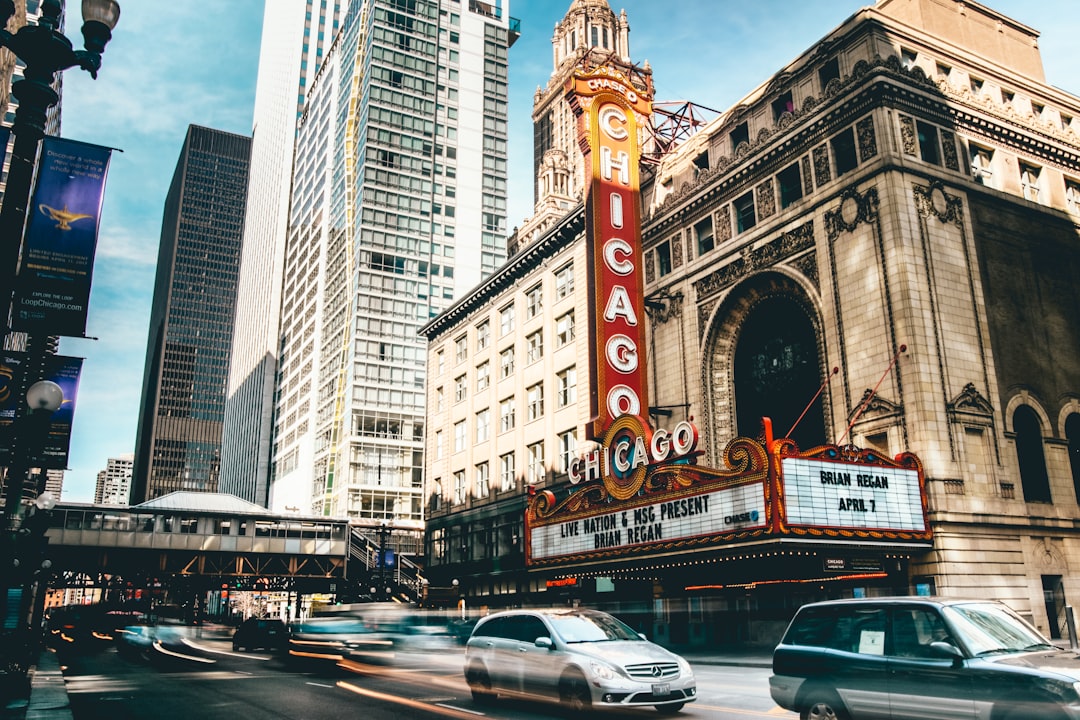
The rise of robocalls has become a significant concern for Chicago residents, with unwanted calls reaching epidemic levels. While these automated messages can offer valuable information, they often serve as a nuisance, especially when unsolicited. This pervasive issue has prompted many to seek effective solutions to prevent and block robocalls. Understanding the tactics employed by these callers is the first step in safeguarding your peace of mind.
Chicago residents have several powerful tools at their disposal to combat this modern frustration. One of the most effective strategies involves utilizing specialized call-blocking applications, which learn to identify and filter out known robocall patterns. These apps adapt over time, becoming more accurate in detecting and blocking unwanted calls. For instance, a study by the National Academy of Sciences found that up to 70% of robocalls can be blocked using such technologies. Additionally, many internet service providers (ISPs) offer built-in call-blocking features as part of their security packages.
Another crucial step is to register your phone number on the National Do Not Call Registry. This federal list helps prevent telemarketers and robocallers from contacting you. While it may not block all unsolicited calls, it significantly reduces the volume. Unwanted call attorneys Chicago can provide guidance on this process, ensuring residents take advantage of these legal protections. Moreover, staying informed about emerging blocking techniques and keeping software up to date is vital. With combined efforts, Chicagoans can reclaim control over their communication channels, minimizing the impact of robocalls.